An inspection result that exists only as a pass or fail stamp on a traveler card is already half-lost, because the moment that card is filed, the image, the measurement and the context behind the call become unsearchable. Vision-AI result capture, gauge measurement logging and disciplined inspection-history retention turn a one-time pass/fail decision into a permanent, queryable record that a root-cause investigation can actually use months or years later. iFactory AI's automotive quality team can review how your current inspection results are captured and retained against this design pattern.
A Pass/Fail Stamp Is a Decision. A Record Is What Makes It Useful Later.
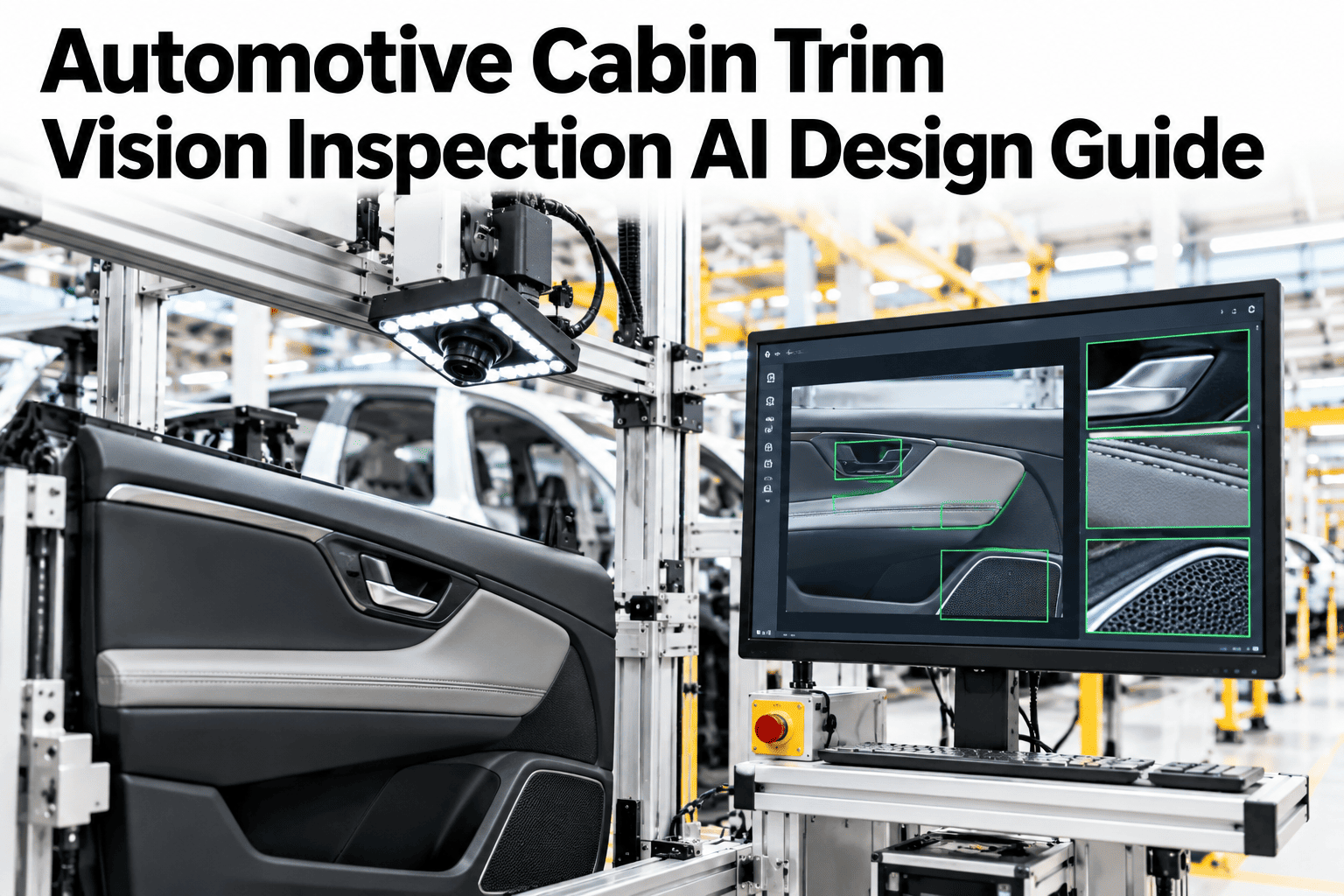
Vision-AI result capture, gauge measurement logging and inspection-history retention turn a point-in-time inspection call into a searchable record a root-cause investigation can use months later.
Why a Pass/Fail Call Isn't Enough on Its Own
A traveler card marked "pass" at final inspection tells you the part cleared the gate that day, but it tells a future investigator nothing about the actual measured value, how close it sat to the tolerance boundary, or what the part looked like. When a field concern surfaces months later pointing at a dimensional issue, an investigation with only pass/fail stamps has to start from zero, while one with retained measurements and images can immediately see how many "passing" parts were actually running close to the edge.
No sense of margin — a part that barely passed looks identical to one well inside spec.
A vision-AI call with no saved image can't be reviewed or re-judged later.
A field concern surfacing after the retention period has already lost its evidence.
An inspection result not tied to a specific unit can't support a targeted recall.
Three Layers of a Complete Inspection Record
Each layer adds something the others can't provide on their own. Our team can review which layers your current inspection stations already capture.
The classification decision and the image it was based on, saved together.
The actual measured value, not just whether it fell inside tolerance.
Both of the above kept searchable for the full window a claim could surface.
Retention Windows by Risk Category
| Component Risk Category | Typical Claim Window | Recommended Retention |
|---|---|---|
| Safety-critical | Vehicle lifetime | Full vehicle lifetime, per applicable regulation |
| Warranty-relevant | Warranty period | Warranty period plus a margin |
| Cosmetic / non-safety | Short, near point of sale | Shorter, policy-defined window |
See How Far Back Your Own Inspection Records Actually Reach
Check your current retention policy against your component risk categories and claim windows.
A Composite Scenario: The Claim That Arrived After the Record Was Gone
Picture a supplier facing a warranty claim on a component eighteen months after production, where the inspection system had retained only pass/fail stamps and discarded underlying images after ninety days as a storage-saving policy.
Without the retained image and measurement, the investigation had no way to confirm or rule out whether the inspected unit actually matched the field-reported defect, forcing a wider and more expensive containment than the evidence might otherwise have supported. A retention policy aligned to the component's actual warranty-relevant risk category would have kept that evidence available. The scenario illustrates the stakes of retention design; actual claim timing varies by component and market.
Where iFactory AI Fits
iFactory AI captures vision-AI classification results together with their source images and logs gauge measurement values at full precision, retaining both against a policy matched to each component's risk category and claim window.
Every vision-AI call is reviewable later, not just a stamp.
Margin to tolerance visible, not just pass/fail.
Safety-critical components keep records as long as the actual claim risk requires.
Frequently Asked Questions
It should match the component's risk category and realistic claim window — safety-critical parts often warrant retention for the vehicle's full lifetime, while cosmetic components can reasonably use a shorter, policy-defined window. Review retention requirements for your component categories.
Modern storage costs and compression make long-term image retention practical for most plants, and the cost of storage is typically small compared to the cost of a wider containment caused by missing evidence. Discuss storage approach and cost for your inspection volume.
Most modern gauging equipment already outputs a digital measurement value, so logging it typically means connecting to an existing data stream rather than adding a manual recording step that would slow the station down. Check your current gauge data output.
Inspection results should be tied to the specific unit's identity at capture time, so a retained image or measurement can be pulled directly from a VIN or part serial number query rather than searched for separately. Review how inspection ties into part-level traceability.
Most plants follow a defined archival or deletion policy once a component's risk-appropriate window closes, which should be documented and applied consistently rather than left to ad hoc storage cleanup decisions. Design an archival policy for your retention tiers.
Make Sure the Evidence Is Still There When the Claim Arrives
iFactory AI captures vision-AI results, gauge measurements and inspection history together, retained against each component's actual risk and claim window.